
A gas water heater is an essential home appliance that provides a continuous supply of hot water for various household needs. It uses natural gas or propane as its fuel source, making it an energy-efficient and cost-effective solution compared to its electric counterparts. However, choosing the right heater can be challenging, especially with the wide range of options available in the market. To make the selection process easier, here are some key factors to consider:
Energy Efficiency
Look for models with a high Energy Factor (EF) rating, which indicates how efficiently the unit converts fuel into heat. The higher the EF rating, the more energy-efficient the heater will be. Additionally, consider opting for tankless or condensing heaters, as they generally offer better energy efficiency compared to standard storage tank models.
Size and Capacity
Determine the First Hour Rating (FHR), which indicates the amount of hot water the unit can deliver in the first hour of operation. To calculate your home’s FHR requirement, consider the number of people in your household and their daily hot water usage. A higher FHR implies that the heater can meet the demands of a larger family or multiple simultaneous hot water applications.
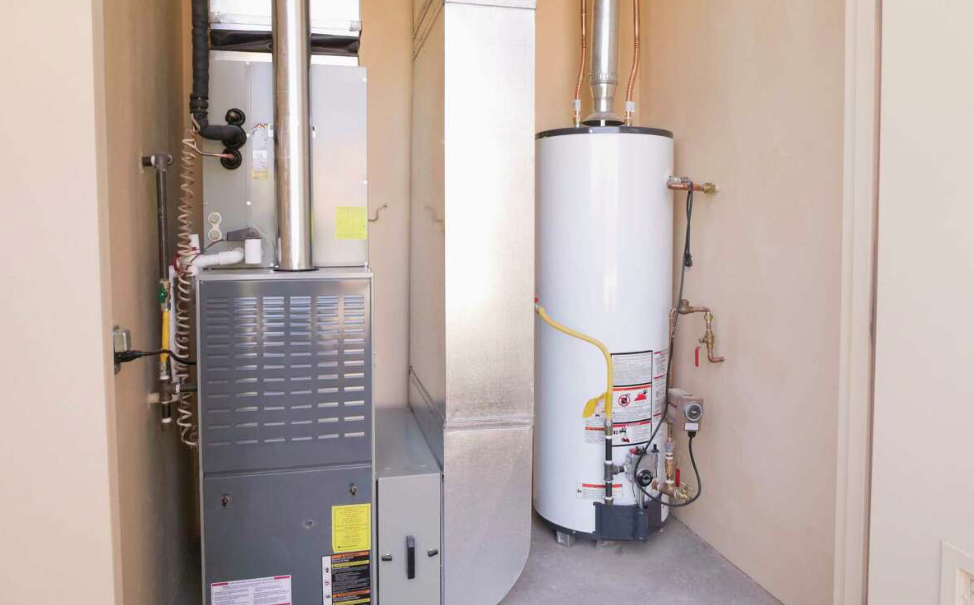
Ventilation and Installation Space
There are three types of venting systems available: natural draft, power vent, and direct vent. Natural draft systems use a vertical vent pipe and rely on the buoyancy of hot gases to rise and exit through the chimney. Power vent systems use a fan or blower to push exhaust gases out through a horizontal vent pipe. Direct vent systems draw in combustion air from outside and expel exhaust gases through a sealed pipe.
Choose a venting system based on the available installation space in your home and the proximity to an exterior wall or chimney. Ensure there is adequate clearance around the heater for ventilation, maintenance, and safety purposes.
Hot Water Installations
When selecting a heater, consider the hot water installations in your home, such as showers, faucets, and appliances that require hot water. Ensure that the chosen heater can support the flow rate and temperature requirements of these installations.
Conclusion:
Choosing the right gas water heater for your home involves considering factors like energy efficiency, size and capacity, ventilation, warranty, and hot water installations. By carefully evaluating these aspects, you can find a suitable water heater that meets your household’s needs and offers long-term savings on energy bills.